

Offices
2 Main Street
Suite 340
Stoneham MA 02180
USA

Fewer hours per worker. Same production demands. The math doesn't add up - unless you plan ahead. Mexico's shift to a 40-hour workweek is one of the most significant labor changes in decades - and for 24/7 operations, it fundamentally changes the economics of how work gets done. On March 3, 2026, Mexico enacted a constitutional amendment to gr...
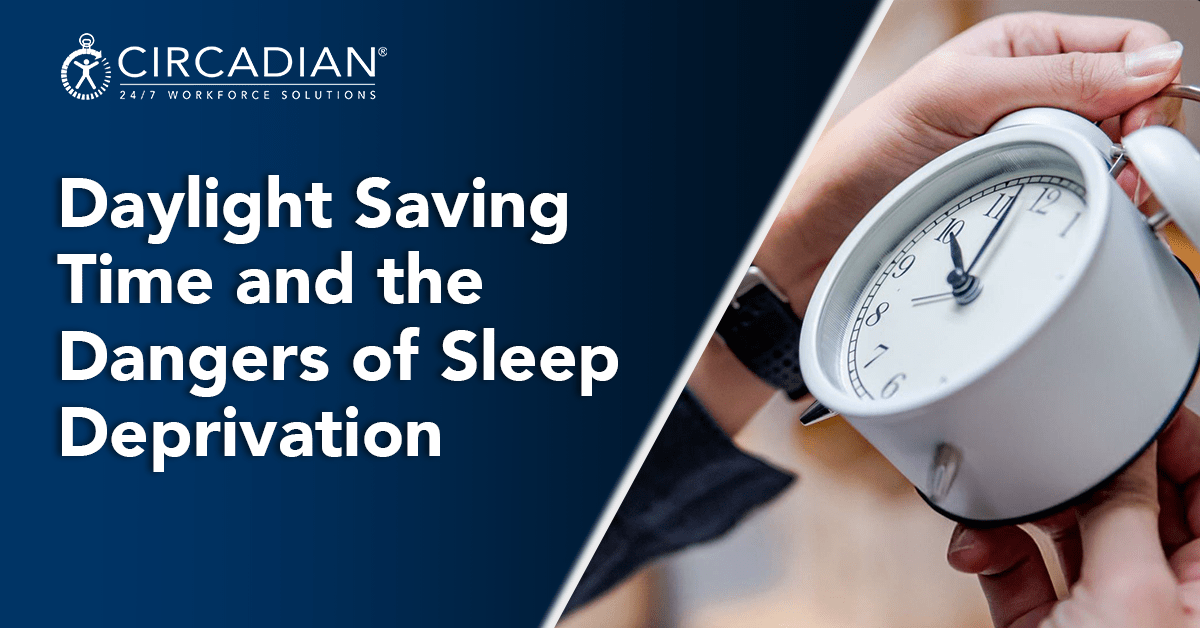
Daylight Saving Time (DST) involves moving clocks forward by one hour during the spring and summer months, allowing for longer evening daylight. While many appreciate the extra hour of sunlight, the initial loss of sleep can have significant consequences. Studies indicate that this seemingly minor shift can lead to serious health and safety issues,...

In today's rapidly evolving logistics and manufacturing industries, warehouse safety is a top priority, and a well-optimized shift schedule is crucial to achieving it. As modern facilities become increasingly automated, aligning operational efficiency with employee well-being becomes even more urgent. In this blog, we explore how shift schedule opt...
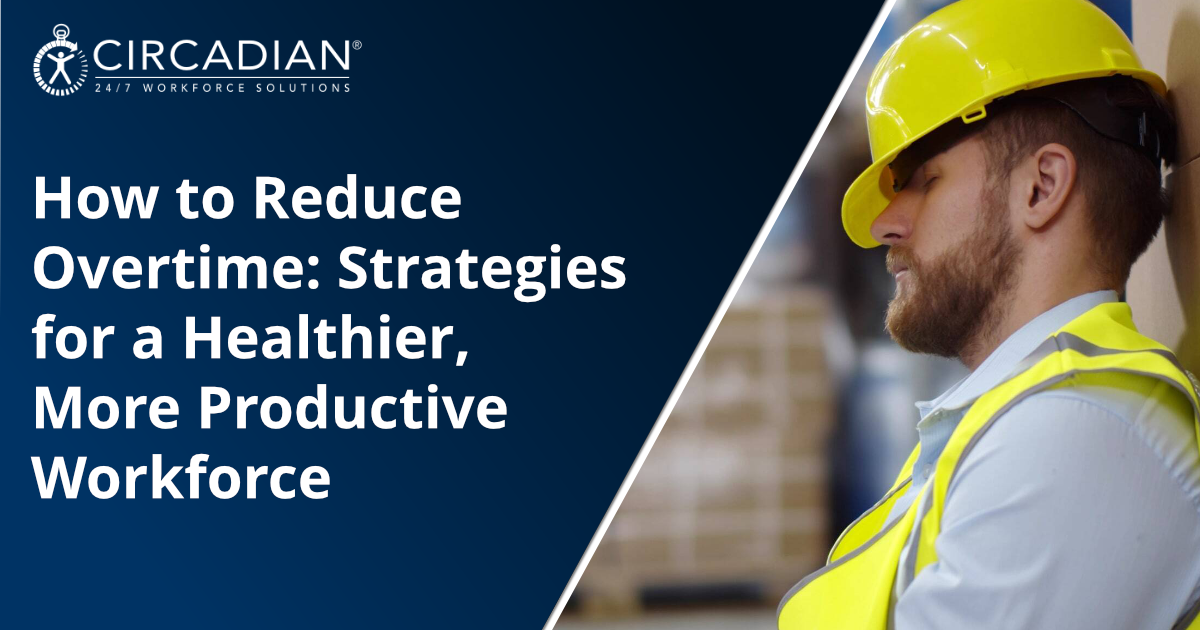
The U.S. workforce is known for its long working hours, with employees working significantly more than their counterparts in other developed nations. On average, U.S. employees work about 70 more hours per year than those in Japan and 350 more hours than their European counterparts. This discrepancy stems from the lack of mandated vacation time and...

The DuPont Schedule is a popular shift schedule for 24/7 operations, originally developed in the 1950s by employees at the DuPont Company. This schedule is built around a 12-hour shift structure for 4 rotating crews and is known for offering a coveted 7-day break once every four weeks. In this guide, we'll cover: The structure of the classic DuPont...

t's a common question, but there's no one-size-fits-all answer. The frequency and duration of work breaks can have a profound effect on productivity, employee well-being, and workplace safety. In this article, we'll explore how often should you take breaks at work, focusing on different types of work schedules and their impact on health and perform...

Managing a 24/7 schedule presents unique challenges for organizations, especially compared to standard daytime-only operations. Whether you're running a manufacturing plant, a call center, or a healthcare facility, the complexities of continuous operations require a careful balance between efficiency, employee well-being, and safety. Below are five...

In today's competitive business landscape, many organizations adopt lean staffing practices when looking to reduce costs and increase efficiency. While operating with minimal staffing levels might seem economically advantageous, it can have unintended consequences that negatively affect both employees and the company's bottom line. In most 24/7 ope...

With the recent amendments to Illinois' "One Day Rest In Seven Act" (ODRISA) that came into effect on January 1, 2023, businesses must adapt their shift schedules to comply with the new law. The updated regulation mandates that employees receive at least 24 consecutive hours of rest within every seven-day period, ensuring a full day of rest that ca...

What is a Fatigue Management Training Course? A fatigue management training course is a structured program designed to educate employees about the importance of sleep and how to manage fatigue effectively in the workplace. These courses provide actionable strategies for improving sleep quality, recognizing symptoms of fatigue, and implementing orga...

While there is a general agreement on what it means, there is a great divide on how to spell it. From dictionaries to Google to pop culture, let's see if we can settle a debate about a word that describes what millions of people do every day. Let's start with a definition Whether spelled as one or two words, shiftwork is a compound word that descri...
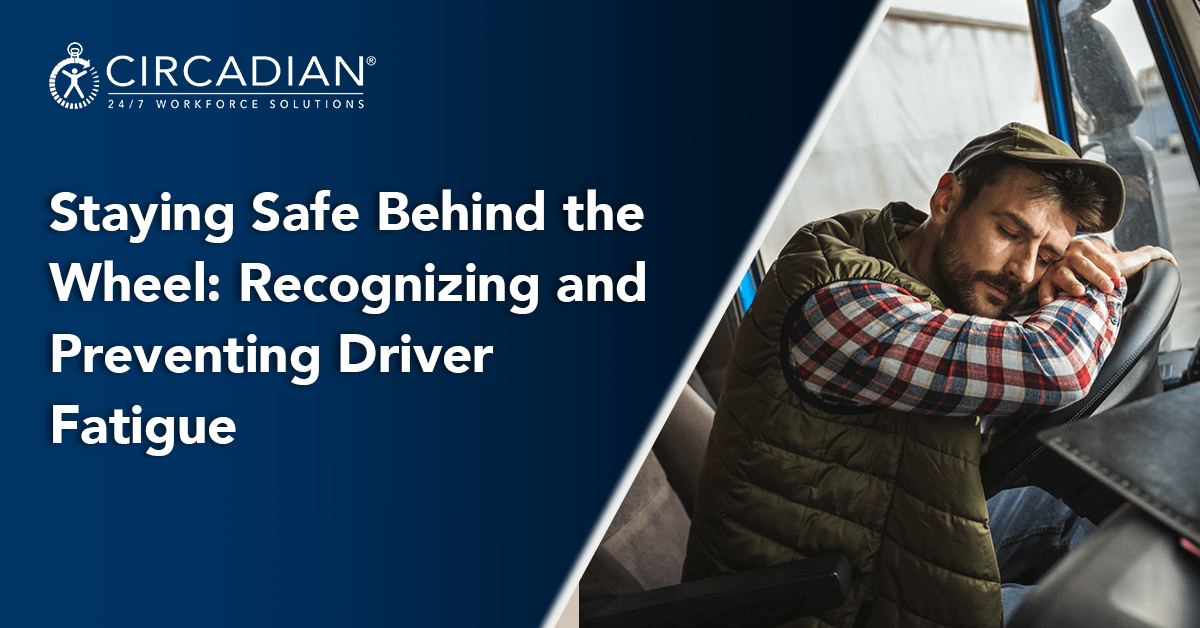
Fatigue-related accidents pose a significant threat to road safety across the country, impacting hundreds of thousands of lives each year. Consider the following statistics: Driver Fatigue Crashes: Each year, approximately 328,000 crashes involve drowsy drivers, leading to 109,000 injuries and 6,400 fatalities (AAA Foundation for Traffic Safety, 20...
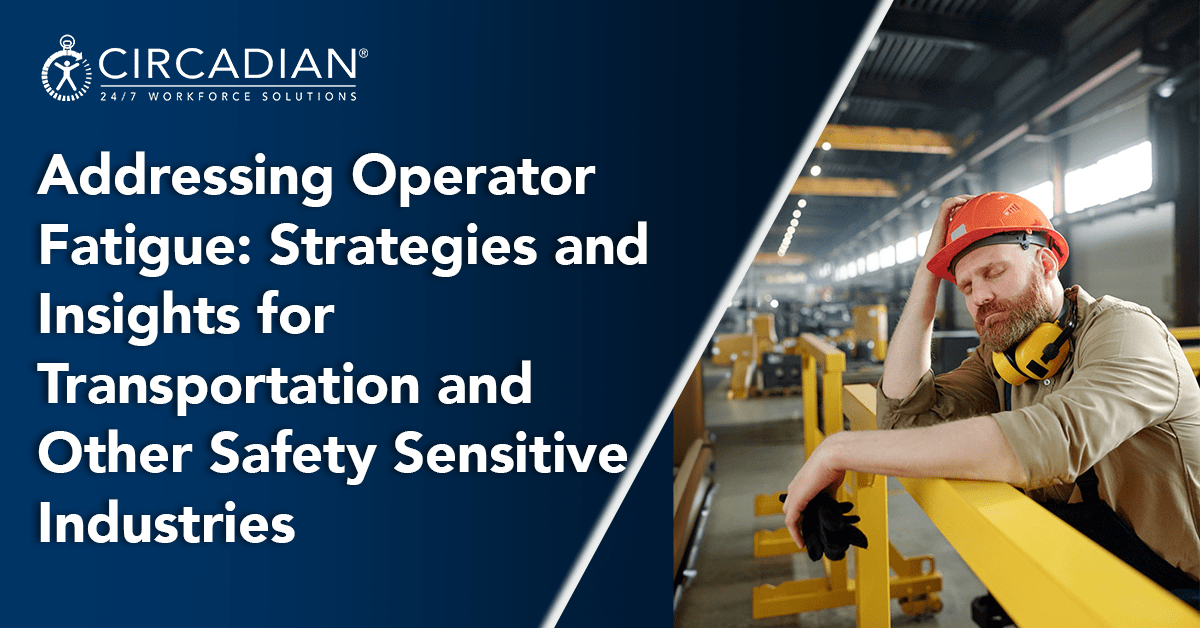
Operator fatigue is a critical issue that significantly affects public safety, particularly in industries involving heavy machinery and transportation. With reports that drowsy driving causes approximately 328,000 motor vehicle crashes annually, it's clear that addressing operator fatigue should be a priority for all organizations. The Impact of Op...

When environmental ergonomic conditions are less than ideal, our bodies and minds work harder to adapt, which increases the risk of workplace fatigue. Whether it's inadequate lighting, uncomfortable temperatures, or distracting noise, these challenges strain our bodies and affect our physical and cognitive performance. Addressing these factors as p...

Are you contemplating a shift work schedule change in your organization? Whether you're seeking to increase productivity, reduce costs, or improve employee satisfaction, the advantages of A 12-hour shiftwork schedule is worth considering. As the demand for efficiency grows, many managers and their teams are evaluating alternative scheduling systems...

When managing a 24/7 operation, finding the ideal shift work schedule is crucial. There are hundreds of shift schedules in use today, each with its own strengths and weaknesses. But how do you know which one is right for your operation? To answer this question, consider the following five key criteria for designing the best shift work schedule. The...
There are inherent necessities and business advantages to running an operation 24 hours, 7 days a week. However, there are also significant downsides and hidden costs of shift worker fatigue that often go unnoticed. Do you know how much your bottom line is impacted by the lost productivity and cost inefficiencies of running a 24-hour operation? CIR...

In the quest for operational efficiency and employee satisfaction, uncovering the ideal shift work schedule is a critical challenge for modern businesses. As the labor market evolves, companies must strike a delicate balance between the predictability needed for consistent operations and the flexibility that today's workforce demands. In this artic...

Shift work, particularly 12-hour shifts, is a growing trend in industries that require round-the-clock operations. While 12-hour shift schedules provide businesses with flexibility and employees with longer stretches of time off, they also introduce a significant health risk: Shift Work Sleep Disorder (SWSD). This condition affects workers who freq...

Managing a 24/7 operation presents unique challenges. One of the most significant challenges is maintaining clear and effective communication. Whether you're overseeing manufacturing, healthcare, or any other industry that requires continuous operations, seamless communication is an essential component to maintaining safety, productivity, and effic...

The 8-hour vs. 12-hour shift debate is a long-standing and critical issue for many industries, especially those that operate 24/7. But how did we get here? What are the benefits and challenges of each? And how does this debate impact employee well-being, productivity, and safety? In this article, we explore the history, evolution, and practical con...
The Challenge of Managing Fatigue Fatigue is one of the most pervasive issues affecting workplaces across industries—yet it is also one of the hardest to measure. In operations with extended hours or shift work, such as healthcare, manufacturing, aviation, and transportation, the consequences of employee fatigue can be dire, contributing to acciden...

Fatigue is one of the most significant yet underappreciated risks in many workplaces, especially those with extended hours or shiftwork operations. Employees working around the clock, or those with irregular schedules, are highly susceptible to fatigue, which can affect safety, productivity, and overall well-being. Fatigue-related incidents are oft...
Managing nurse fatigue is crucial not only for the well-being of nurses but also for the safety and quality of patient care. A joint responsibility exists between healthcare employers and registered nurses to reduce fatigue-related risks and foster a safe, healthy work environment. Addressing nurse fatigue is no longer optional—it's critical to cre...
Shift work can create serious challenges when it comes to getting sufficient quality sleep. Irregular work hours, long shifts, and rotating schedules often disrupt the body's natural circadian rhythms, leading to sleep deprivation and fatigue. Fortunately, there are practical and evidence-based sleep tips for shift workers that can help improve you...
When it comes to workplace safety, especially in industries where fatigue can have catastrophic consequences, knowing your organization's fatigue risk tolerance is a critical step in developing an effective fatigue risk management program. Many companies overlook this vital assessment, but understanding your fatigue risk tolerance can make a signif...

Working 12-hour shifts is a topic that often sparks debate among shift workers, managers, and experts in various industries. While some see the extended shift as a way to maximize productivity and improve work-life balance, others argue that it can lead to increased fatigue and health problems. The question remains: are 12-hour shifts truly benefic...

Finding the best shift schedule for your workforce can be a game-changer, not just for productivity but also for employee satisfaction and operational efficiency. Tailoring shift schedules to fit an organization's operational needs and the preferences of the workforce creates a win-win situation for both employers and employees. In this guide, we'l...

Safety incidents are an unfortunate reality in many workplaces, but what often goes underreported are the hidden causes behind these events—fatigue being one of the most significant. Fatigue affects cognitive function, physical performance, and decision-making, all of which can contribute to safety incidents. Conducting a thorough incident investig...

Replace above with your cover image, then enter introtext here Myth 1: If a Shift Schedule Works Elsewhere, It Will Work Here The Truth: One of the biggest misconceptions in companies with multiple locations is assuming a successful shift schedule at one plant will translate seamlessly to another. Employee work schedules should reflect the unique s...
Sign up for our announcements to see the rest of the content